
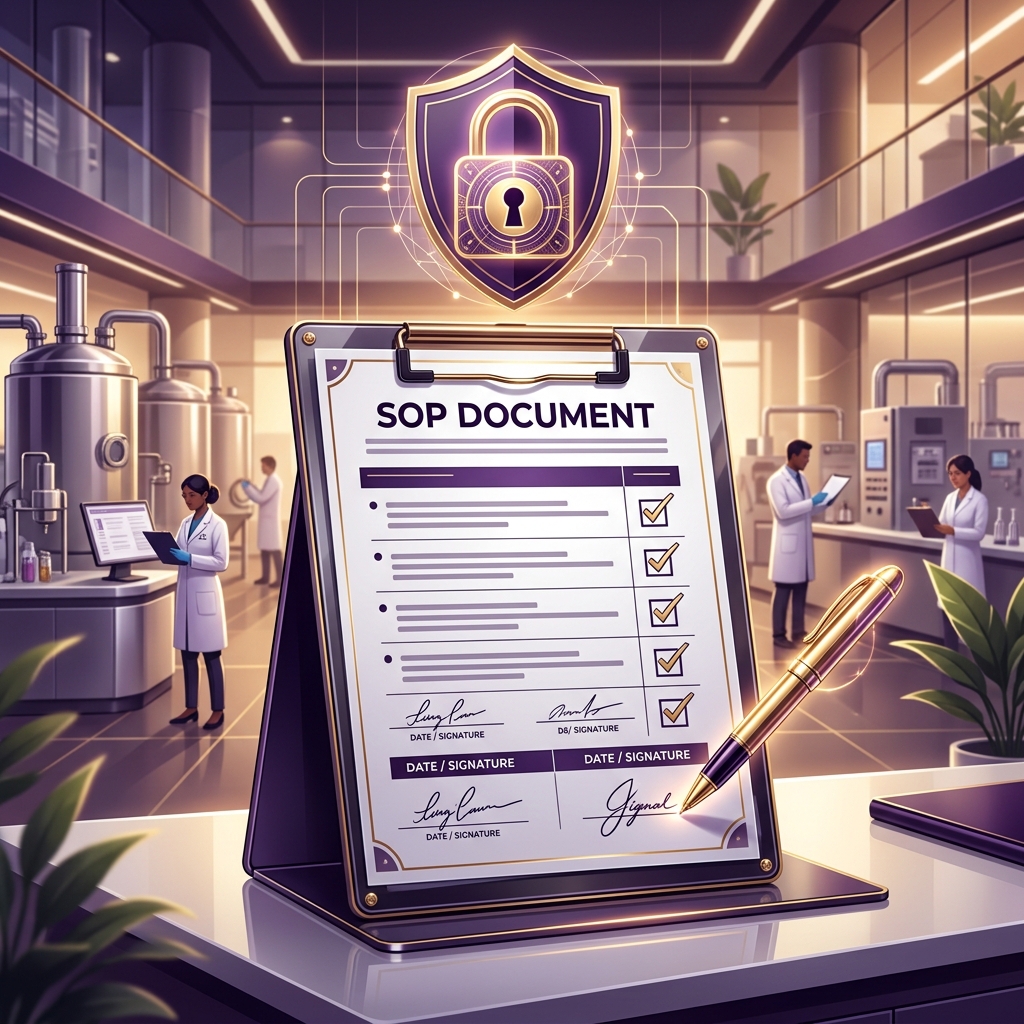
Good Documentation Practices (GDP) in Sterile and General Pharmaceutical Facilities
Good Documentation Practices (GDP) form the foundation of GxP compliance. Attributable and contemporaneous records protect site reliability during inspections. Health authorities like the FDA, WHO, and EMA state that if an activity is not documented, it did not happen. This guide reviews the core principles of GDP and how to prevent common logging errors in sterile and formulation facilities.
The Core Principles of GDP
Good Documentation Practices apply to all GMP documents, including batch records, laboratory logbooks, validation protocols, standard operating procedures (SOPs), and training logs. The primary expectation is that records must be clear, legible, permanent, and filled out immediately. In a sterile cleanroom environment (Grade A/B), GDP becomes even more critical because mistakes can lead to batch rejects or contamination events.
Rules for Making Corrections
Errors in documentation are natural, but they must be corrected following strict regulatory methods. Correcting errors using correction fluid, overwriting, or scratching out text is a severe deviation. The standard procedure for manual corrections is:
- Draw a single line through the error, keeping the original text readable.
- Write the corrected value nearby.
- Initial and date the change.
- Document a brief reason for the change.
Common GDP Pitfalls in Audits
Inspectors routinely look for document anomalies that suggest poor discipline or potential fraud. Examples include:
- Pre-dating or Backdating: Signing off on batch records or logbooks before or after the actual event.
- Shared Identity Logs: Operators signing logs on behalf of colleagues who are away.
- Using Scrap Paper: Recording raw measurements on loose scraps of paper instead of official, controlled laboratory notebooks.
To maintain compliance, site leaders must run regular GDP workshops and establish weekly QA documentation audits. Enforcing site-wide log hygiene protects the integrity of batch folders and prevents negative audit findings.
Subscribe to our monthly GMP newsletter
Receive Hyderabad pharmaceutical regulatory updates directly to your inbox.
Join Newsletter List