
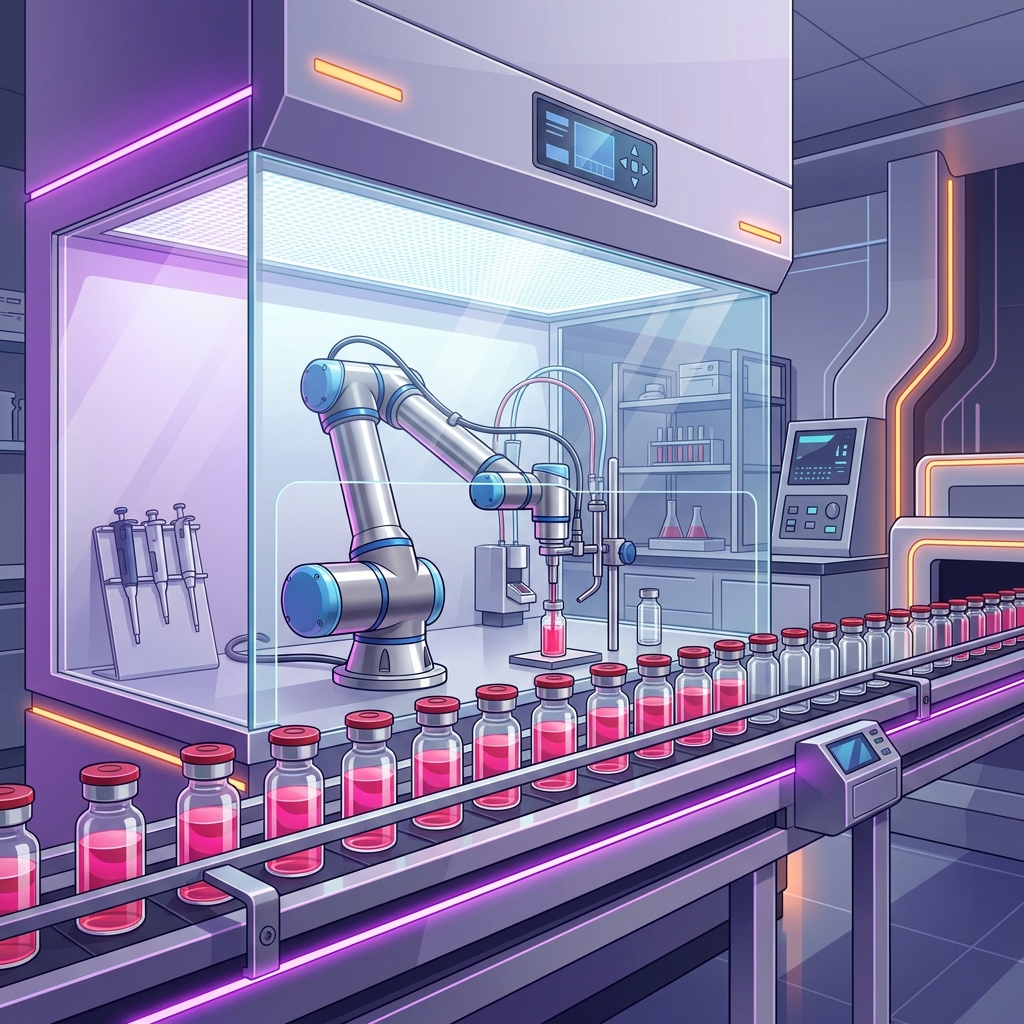
Aseptic Media Fills: Process Simulations and Minimizing Contamination Risks
Executing a robust aseptic process simulation (Media Fill) is vital to proving the sterility and safety of injectable drugs and sterile formulations. Under Annex 1 guidelines of the EMA and FDA regulations, any drug product that cannot be terminally sterilized must be filled under strict aseptic conditions. Proving the reliability of these sterile lines requires periodic process validations, commonly referred to as media fills. This guide details the critical factors for executing successful media fill runs.
The Purpose of Aseptic Simulations
A media fill is a simulated run where the active pharmaceutical ingredient (API) is replaced with a sterile microbiological growth medium, typically Soybean Casein Digest Medium (SCDM) or Tryptone Soya Broth (TSB). The simulation replicates the entire manufacturing process, including preparation of sterile containers, raw material dispensing, sterile filtration, filling, sealing, and personnel movements. The ultimate goal is to prove that the aseptic line can consistently prevent microbial contamination under routine and worst-case operating conditions.
Designing the Worst-Case Scenario
To satisfy regulatory inspectors, a media fill must not represent a perfect, uninterrupted run. Instead, it must include a comprehensive log of standard and non-standard interventions that operators encounter during commercial production. These interventions include:
- Line Stoppages: Simulating conveyor jams, sensor failures, or machine resets.
- Needle Adjustments: Adjusting and replacing filling needles or pump parts inside the Grade-A laminar airflow zone.
- Container Replacements: Swapping out damaged glass vials, plastic bottles, or syringe parts.
- Personnel Shifts: Simulating operator changes, shift breaks, and routine gowning entries.
Environmental Monitoring and Incubation Schedules
During the media fill, intensive environmental monitoring (EM) must be performed. This includes active air sampling, passive air settle plates, surface contact plates, and operator glove print tests in Grade A and B zones. These tests verify that the background environment remains clean and stable.
Once the filling is complete, all containers are inspected for leaks, container defects, or initial particulates. Non-defective vials are then incubated to promote microbial growth. The regulatory standard incubation schedule is:
- Lower Temperature: Incubate at 20-25°C for a minimum of 7 days. This range optimizes the detection of environmental molds and fungi.
- Higher Temperature: Followed immediately by incubation at 30-35°C for another 7 days to detect bacterial contaminants.
Evaluating Results and CAPA Actions
The acceptance criterion for a media fill is zero growth. Even a single contaminated container out of 5,000 or 10,000 filled vials requires a full-scale laboratory investigation. If microbial growth is detected, the quality unit must identify the organism to the species level using diagnostic genomic methods. A root-cause evaluation (e.g., HVAC failure, gowning breach, or equipment sterilization issues) must be initiated to implement a corrective and preventive action (CAPA) roadmap, and the line must be re-validated with three successful consecutive runs before commercial production can resume.
Subscribe to our monthly GMP newsletter
Receive Hyderabad pharmaceutical regulatory updates directly to your inbox.
Join Newsletter List